If you’ve been shopping used GM crate engines or pulling a low-mileage truck motor for an LS swap, you’ve probably seen the letters “AFM” or “DFM” in the listings without much explanation. AFM stands for Active Fuel Management — GM’s system for shutting down four of the engine’s eight cylinders during light-throttle cruising to save fuel. DFM, or Dynamic Fuel Management, is a newer, more aggressive version that can deactivate anywhere from one to seven cylinders on the fly. Both systems were designed for tightly controlled factory vehicles with specific oil systems, dedicated ECU logic, and OEM exhaust setups. Drop one of these engines into a classic muscle car or a pro-touring build paired with an aftermarket EFI system, and those fuel-saving tricks become a source of misfires, lifter failures, and tuning headaches that are completely avoidable. This article explains exactly why that happens, what a disabler device actually does, and how to decide which solution makes sense for your specific build.
What AFM and DFM Actually Do — and Why Swap Builds Break Them
At the factory level, AFM and DFM work through a combination of special collapsing lifters (also called AFM lifters or displacement-on-demand lifters), solenoid-controlled oil pressure passages in the valley of the block, and ECU logic that monitors throttle position, RPM, oil temperature, and load before issuing a deactivation command. When the system decides to drop cylinders, the lifters physically collapse, the valves stop moving, and fuel injection to those bores is cut. The engine runs on four cylinders (or fewer, in the DFM case) until load demands full displacement again.
Here’s where it unravels in a swap context:
1. The aftermarket ECU doesn’t speak AFM. Systems like the Holley Sniper 2, Holley HP EFI, or a standalone like the MSD Atomic AirForce are not programmed to command AFM solenoids or interpret the oil pressure feedback signals that tell the factory ECU whether a cylinder actually deactivated successfully. According to Holley’s Sniper EFI installation and tuning documentation, the Sniper family controls fuel and spark — it does not manage auxiliary valvetrain solenoids or OEM active displacement hardware. Without synchronized ECU control, you can get cylinders attempting partial deactivation in random, uncontrolled intervals.
2. The oil system becomes a liability. AFM lifters rely on precise oil pressure pulses delivered through dedicated passages in the engine’s valley and lifter bores. In a swap, your oil system may not maintain those exact pressure characteristics — especially if you’ve changed the oil pump, the pan configuration, or routed the engine in a way that affects oil drain-back. Engine Labs’ technical coverage of AFM delete builds consistently flags oil starvation of the collapsing lifters as the dominant failure mode in swap applications, not just in stock trucks. The collapsing mechanism tolerates zero oil supply interruption.
3. Vibration and misfire codes with no obvious cause. Builders on long-run forums and in shop-level diagnostics routinely report unexplained rough idle, intermittent misfire codes, and oil consumption complaints that trace back to a half-deactivated AFM system operating without proper ECU oversight. OnAllCylinders’ explainer on DFM versus AFM notes that DFM-equipped engines (found in Gen V LT-family motors like the L87 and certain L84 variants) are even more complex because deactivation events are continuous and overlap in ways the OEM ECU manages dozens of times per second.
The Lifter Failure Problem Is Real, Documented, and Expensive
This is where the conversation gets financial fast, and why shops are increasingly spec’ing AFM/DFM disablers as a line item on any LS/LT swap invoice.
GM’s AFM lifter failures — specifically the collapse of the inner lobe mechanism on the deactivation cylinders (typically cylinders 1, 4, 6, and 7 in a Gen IV LS application) — have been extensively documented by Hot Rod Magazine’s LS swap technical coverage and by GM’s own extended warranty campaigns on affected model years. The failure pattern is consistent: the collapsing lifter locks up in the collapsed or partially collapsed position, the pushrod bends or breaks, and you have immediate valvetrain damage. In a swap where the AFM system is uncontrolled, the risk timeline accelerates.
By the Numbers:
| Scenario | Approximate Cost Exposure |
|---|---|
| AFM/DFM disabler device (plug-and-play) | $50–$150 |
| Full AFM delete kit (lifters, valley cover, cam) | $800–$1,800 depending on engine family |
| Lifter failure repair in an assembled swap | $2,500–$5,000+ in labor and parts |
| Engine out, full rebuild after lifter walk | $6,000–$12,000+ |
Framed that way, a $100 disabler is not an accessory purchase — it’s insurance with a two-minute installation window.
Disabler Devices vs. Full AFM Delete: Naming the Tradeoff Explicitly
There are two paths, and they serve different builds. Here’s the honest breakdown.
Path 1: The Plug-and-Play Disabler Module
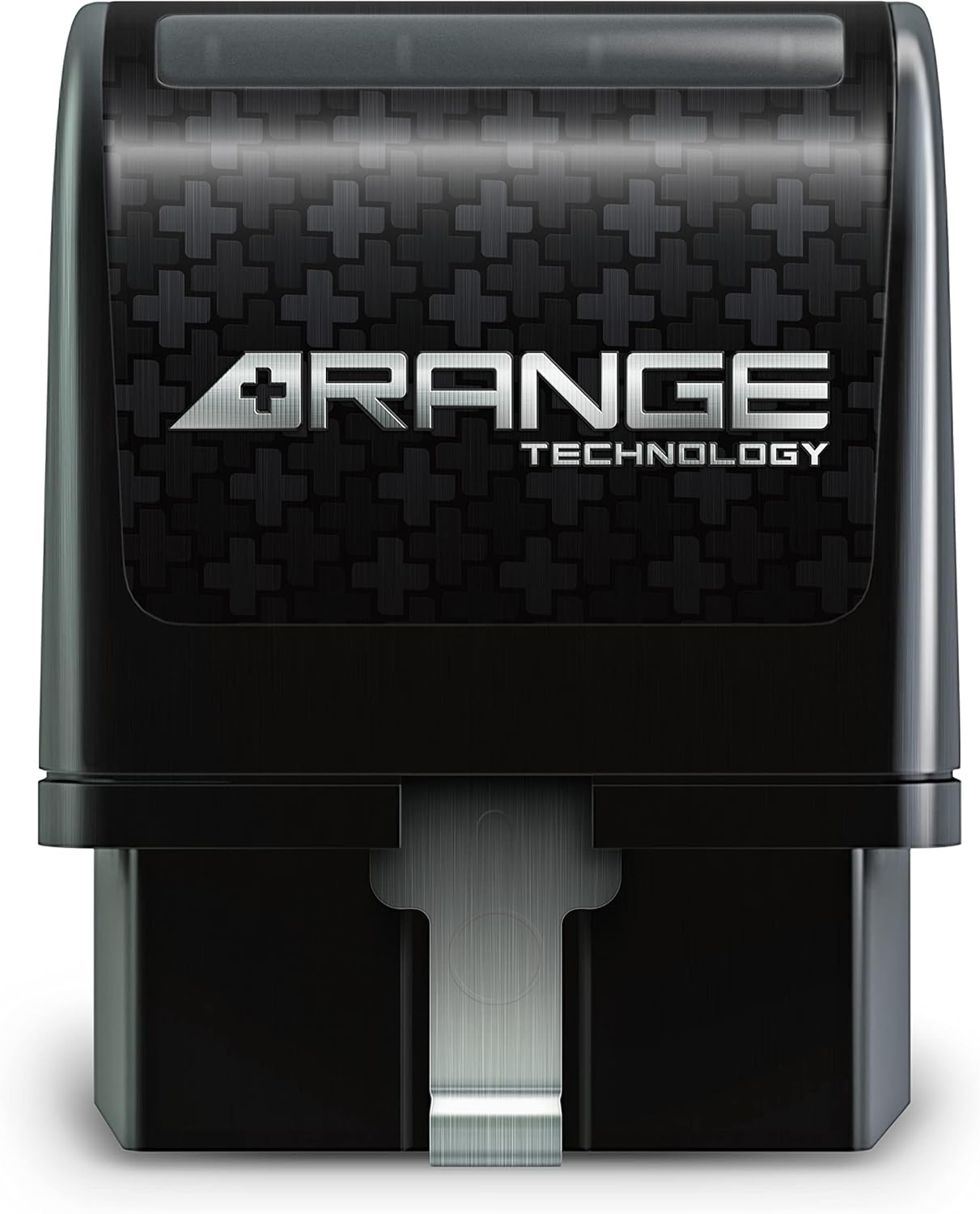
These are small inline modules — brands like Range Technology and DiabloSport manufacture the most commonly referenced units in swap communities — that intercept the signal between the ECU (or in a swap, the aftermarket EFI controller) and the AFM solenoids. The module tells the solenoids to stay inactive, keeping all eight cylinders firing all the time. The collapsing lifters remain in the extended (normal) position permanently.
What it fixes: Eliminates uncontrolled cylinder deactivation events. Removes the risk of random lifter collapse under an aftermarket ECU. Per published specs, installation is typically a single harness tap into the engine bay — no tuning required, no cam removal, no disassembly.
What it doesn’t fix: The AFM lifters are still in the engine. They’re not cycling, which reduces wear risk, but they’re also not the same metallurgical spec as standard lifters. Long-run operators on high-horsepower builds (think: supercharged LS3 or high-rev LT1 swap) report that AFM lifters under sustained WOT load still represent a structural weak point compared to solid non-AFM lifters, even when the deactivation mechanism is electronically disabled.
Who this is for: Street-driven builds under 500 horsepower, engines on a budget timeline where tearing into the valvetrain now isn’t in the plan, and builders who want the simplest possible solution while they finalize tuning with an aftermarket EFI system like the Holley Sniper 2 or FiTech equivalent.
Path 2: Full AFM/DFM Delete
A full delete means physically removing the AFM hardware from the engine: replacing the collapsing lifters with standard solid-body lifters, installing a non-AFM camshaft (the lobe profile on AFM cams is optimized around partial-cylinder operation), and replacing the AFM valley cover (which contains the oil control solenoids) with a standard cover. Some builders also install a replacement lifter valley oil diverter to close off the dedicated AFM oil passages.
What it fixes: Eliminates the AFM hardware entirely. You’re running a conventional, all-eight-cylinders-always valvetrain with full compatibility with any aftermarket EFI system, any cam grind, and any oil system configuration. Motor Trend’s L86 engine coverage notes that many GM performance enthusiasts spec this delete as a baseline upgrade even on lightly modified trucks — the peace of mind on high-mileage or high-output applications is considered worth the teardown.
What it costs you: Teardown time and parts cost (see numbers table above). This is not a Saturday afternoon job if the engine is already installed in the swap. On a build where the engine is on the stand pre-install, the labor math changes significantly — many shops now routinely bundle the delete into their engine prep process.
Who this is for: High-horsepower builds (500+ wheel horsepower), any build going on a track or strip with sustained high-RPM operation, forced-induction applications, and any build where the builder intends to run an aggressive aftermarket cam grind that would require lifter replacement anyway.
How This Integrates with Your EFI Kit Decision
If you’re pairing a Gen IV LS engine (5.3L L33, 6.0L LQ9, 6.2L L92) with a self-learning throttle-body system like the Holley Sniper 1 or 2, the plug-and-play disabler module is almost always the right call for initial setup. The Holley Sniper family’s closed-loop O2 feedback and self-learning fuel tables function correctly on a fully active eight-cylinder engine — they are not designed to adapt to random four-cylinder intervals, and Holley’s own installation manual documentation does not account for AFM interaction in its fuel model.
If you’re building around a Gen V LT engine (LT1, LT4, L82, L86, or the truck-family LT-series with DFM), the conversation with your EFI system supplier should happen before you buy the engine. The DFM architecture — with its multi-cylinder-pattern deactivation firing up to 17 different cylinder combinations per GM’s published system description — is substantially more disruptive to a standalone EFI tune than the simpler four-cylinder-off AFM pattern. Engine Labs’ AFM/DFM delete coverage recommends treating any DFM engine destined for a swap as a full-delete candidate from the start, unless you are running a factory-level GM ECU (like an E92 or E38 PCM with full OBD-II integration and a professional tune).
The “if X, then Y” decision rules:
-
If your swap engine is a Gen IV LS with AFM, your EFI kit is aftermarket (Sniper, HP EFI, Atomic, FiTech), and your power target is under 500 horsepower — then a plug-and-play disabler module is your minimum viable solution. Install it before the first startup.
-
If your power target is above 500 horsepower, you’re running a supercharger or turbo, or you’re planning a cam swap anyway — then do the full delete on the stand before the engine goes in. The incremental cost at that stage is modest relative to the downside.
-
If your engine is a Gen V LT with DFM — then plan the full delete as a default. The plug-and-play options for DFM are less standardized as of mid-2026, and the deactivation complexity is high enough that half-measures introduce real tuning instability.
-
If you’re running a factory GM PCM with a professional tune (HPTuners or EFILive-based) and want to retain DOD as a feature — then you’re outside the scope of this guide and need a calibrator with OEM-level ECU access. That’s a separate conversation.
Final Thought
The AFM/DFM problem is one of those things that catches builders off guard because the engines look clean, run well on the test stand, and pass the “it’s a good deal” smell test. The system was engineered brilliantly for what it does — it just wasn’t engineered to coexist with an aftermarket EFI controller running closed-loop fuel tables on a swapped chassis. A $100 disabler module or a timely delete on the engine stand is the difference between a clean first startup and a warranty-voided valvetrain job six months into an otherwise excellent build. Handle it before the engine goes in. That’s the move.